- 《Kyoto Protocol》
- 《Copenhagen Climate Conference》
- 《UNFCCC》
- 《Reduction of the Meat Production Won Support of the European Parliament》
- 《The Environmental Groups Are Calling on People to Buy Legal Wood Products》
- 《Vegetarian Day" in a Belgian Townlet》
- 《A primary school in Chengdu,China:The whole school vegetarians on the 20th of each month 》
- 《Eat Less Meat-Appeal From the German Agriculture Minister》
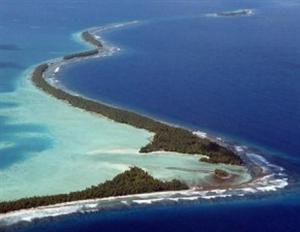
Intro:The convention entried into
force on March 21th,1994,and since then 189 countries had become the
contracting parties till May,2004.And another three contracting states
joined in the convention after the COP15.All the 192 participating countries
are divided into three types.
1.Industrialized Country
2.Developed Country
3.Developing Country
The convention consists of the preface and 26 clauses.Effectual
as it is,it requires the developed countries take concrete measures
to limit the greenhouse gases emissions and give financial support to
the developing countries for their fulfilling obligations of the convention
while these countries shall just offer the list of the greenhouse gas
sources and sinks and program their related measures without fulfilling
the obligations of the effectual constraint control.
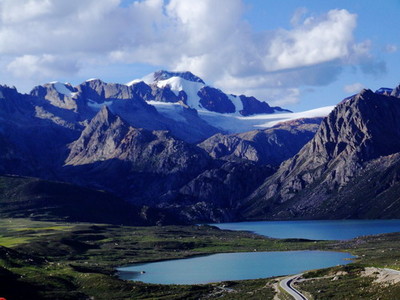
History:In 1898,Swan,a Swedish
scientist,warned that the carbon dioxide emissions may cause global
warming,and this didn't attract extensive attention worldwide until
scientists had acquainted themselves with the earth-atmosphere system.
The convention had set the reduction process in
response to the climate change in the coming decades and promised
to taking measures to keep the greenhouse gases emissions in 2000
at the level of those in 1990.
The convention entried into force on March 21th,1994.
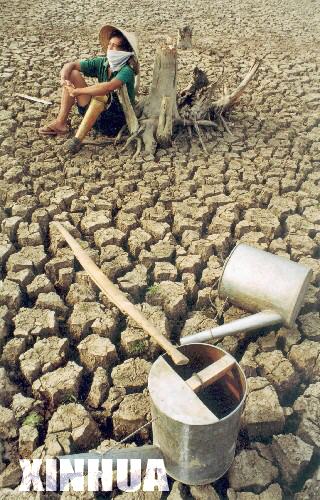
Targets:The objective of the convention
is to reduce the greenhouse gases emissions;to reduce the human hazards
to the climate system;to mitigate climate change;to make the ecological
system adapt to climate change better;and to assure the sustainable
development of food production and economy.
According to the authorization(to Berlin) of the
1st UNFCCC Conference of the Parties,the treaty states,after almost
three years of negotiations,signed the "Kyoto Protocol"
on December 11th,1997 in Tokyo.